MongoDB AMP Application Analysis
Timeline
Jan '25 - May '25
Team
2 Product Managers, 2 Designers, Engineering Lead, 10+ Engineers
TLDR;
The App Modernization Platform (AMP) is an early-stage B2B consulting and developer tooling initiative helping enterprises convert from relational databases to MongoDB (a non-relational database), while also modernizing their legacy apps at the same time.
I led multi-phase 0→1 research, identifying app analysis as a critical blocker and intentionally driving focused discovery in this area to shape product strategy pre-launch. The resulting analysis tools are now adopted by 100%+ of internal consultants and have helped accelerate modernization projects by up to 3x.
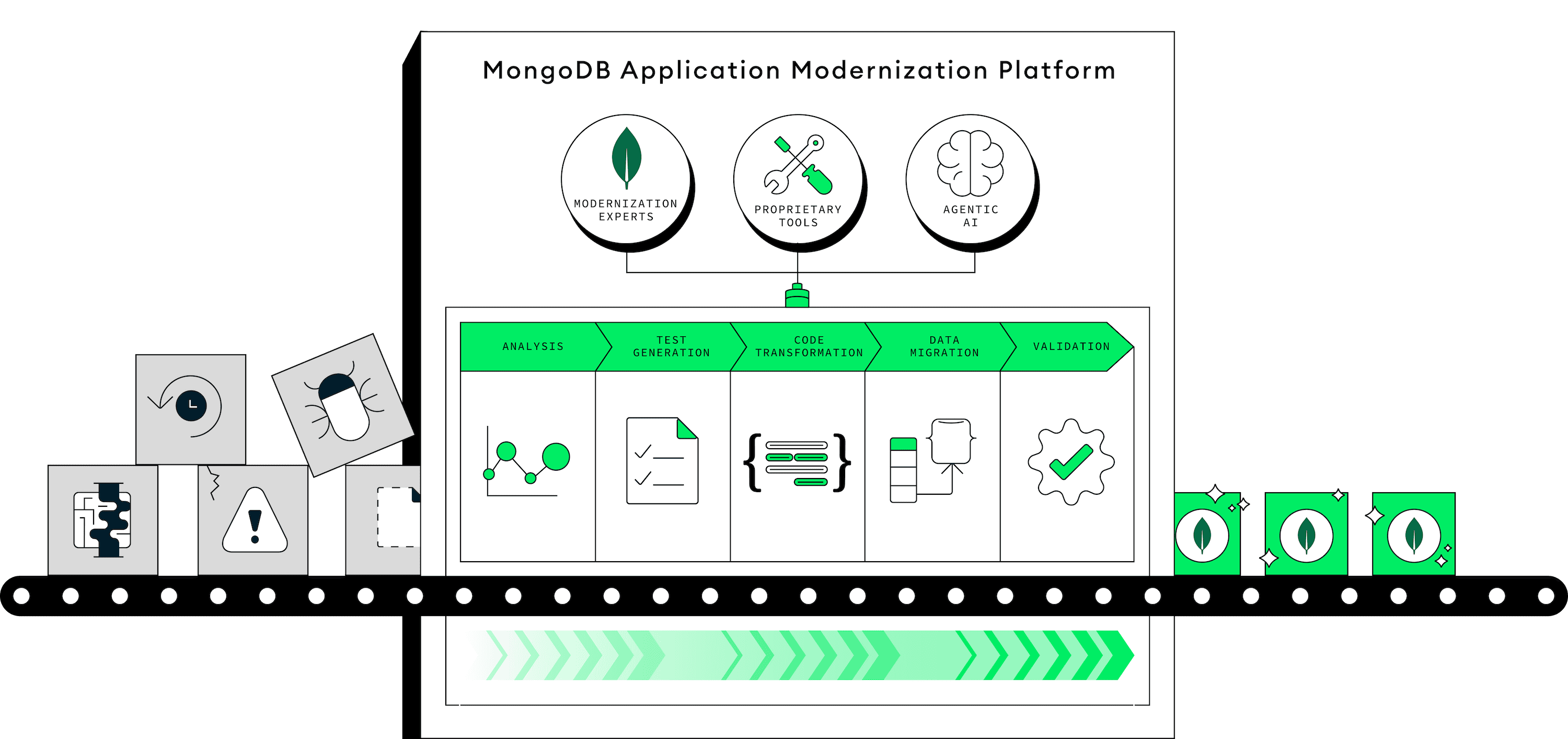
Modernizing legacy apps is a slow and complex process, thus the AMP team sprouted to help enterprises do it faster and safely with AI developer tools and expert consultancy services
As a UX researcher on AMP, I supported 5+ globally distributed product teams that cover every step of modernization from app analysis and data modeling to data migration, testing, and code generation.
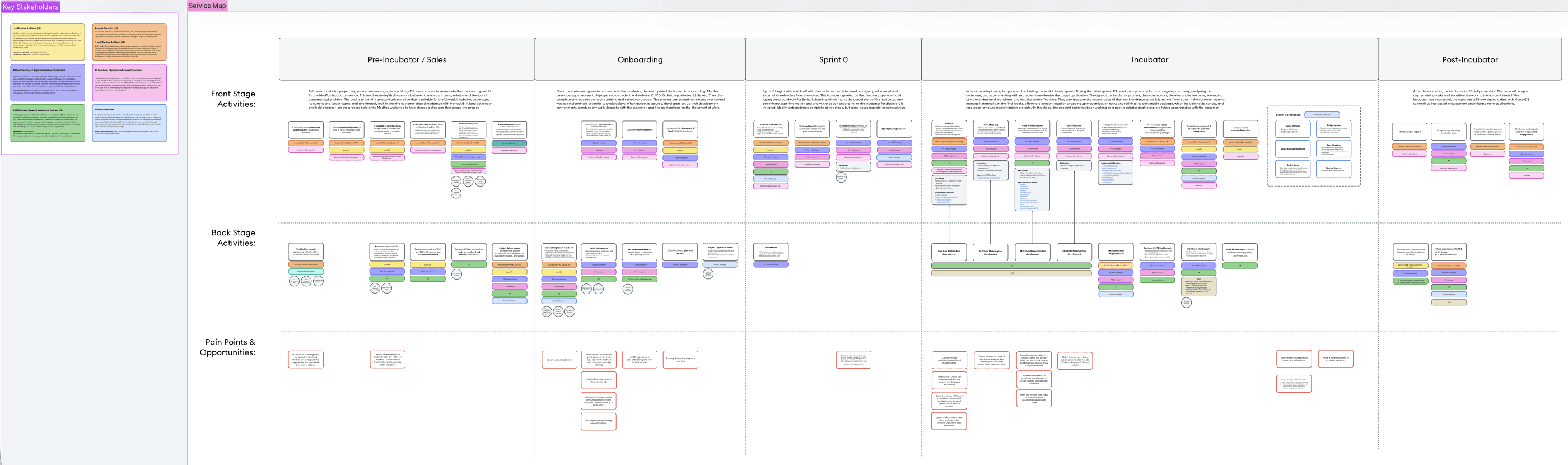
AMP is a massive product space, so I mapped the service end-to-end to find where research could make the biggest impact
I digged through everything I could find on AMP (decks, docs, customer notes, Slack channels), as well as external papers about modernization. I led co-design sessions with stakeholders, like PMs and engineering leads, to figure out how all the pieces and people fit together, spot friction points, and align on how we think the process currently works.
I wrapped it all up in a service blueprint that became a go-to for accelerating onboarding.
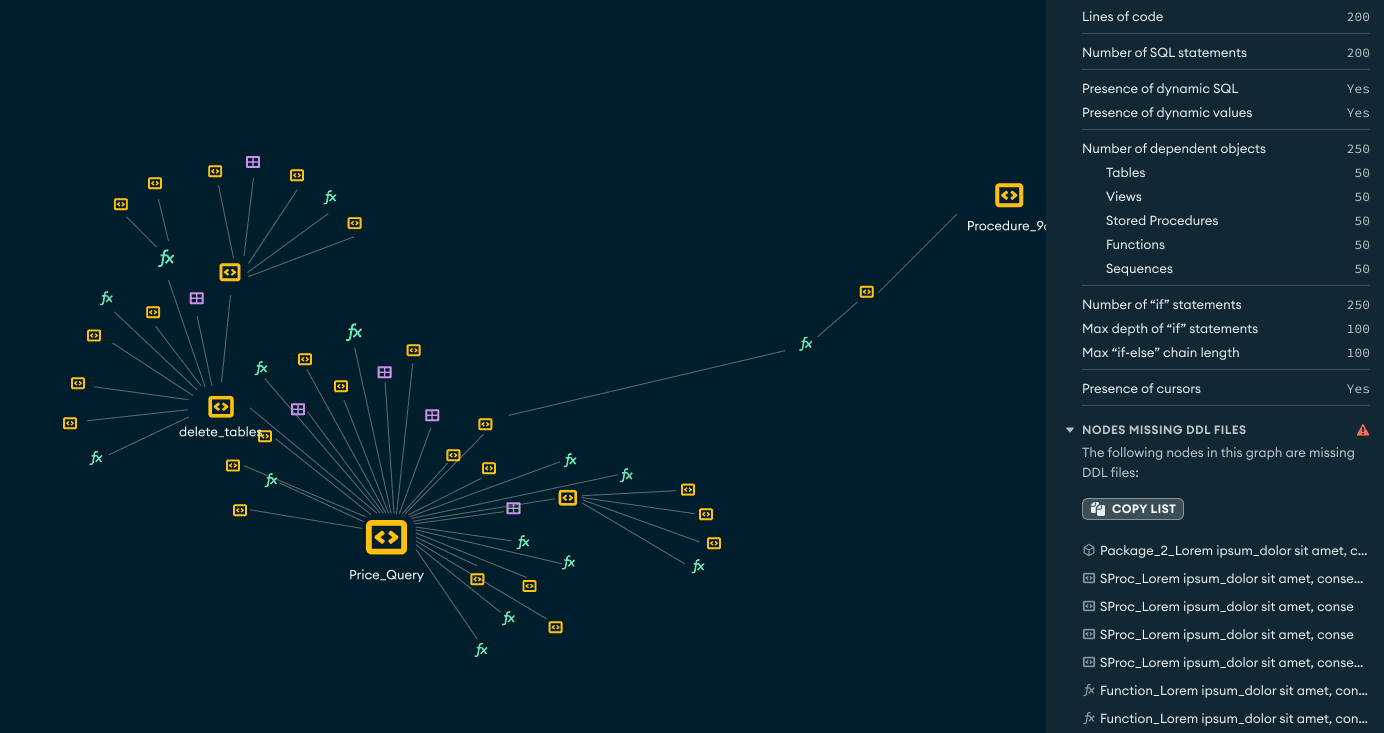
I prioritized discovery research in app analysis because I realized modernization can't START without this step, and it was a major time-sink for our consultants
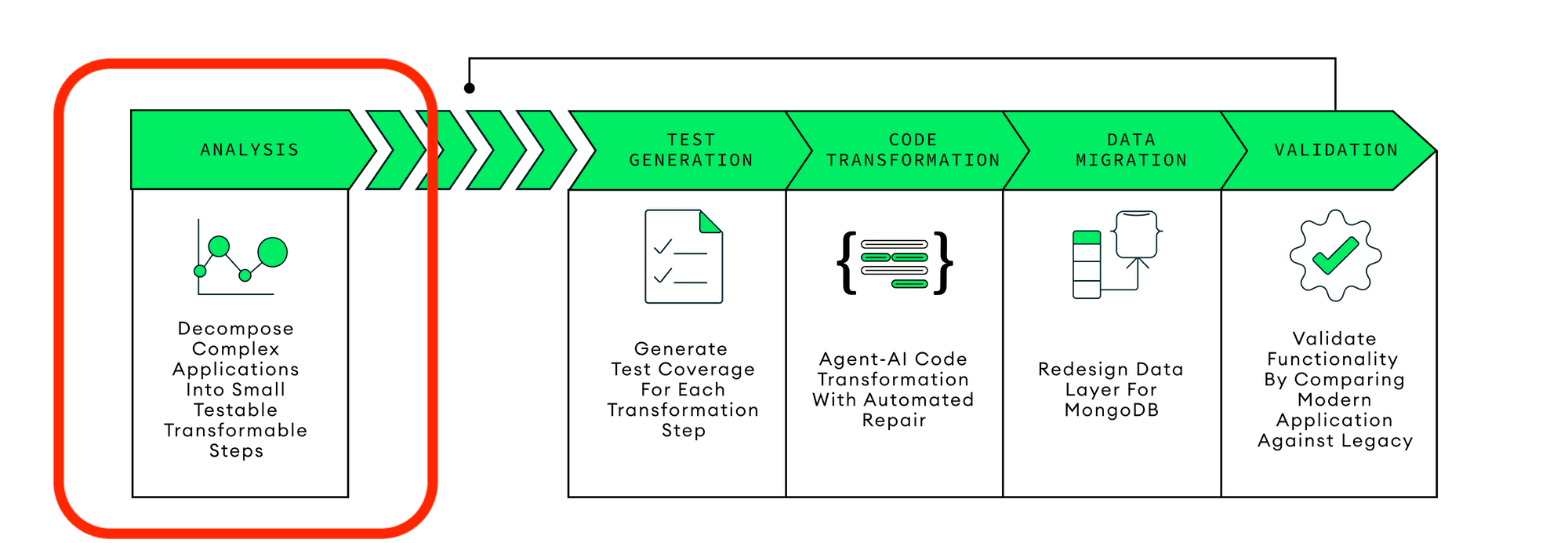
I scoped discovery into a few phases to understand the different analyses consultants perform and clarify their core tasks and goals.
This gave my team a more granular understanding of the process and helped them build specifically for each type of analysis.
Like a lot work in software development, especially modernization, application analysis is complex and highly technical. Rather than giving the team only a high-level view of the process, I broke it into manageable projects so we could explore the technical details more meaningfully. I wanted to understand how our consultants approach large, legacy “spaghetti” applications in practice.
This meant diving into different areas like source code inspection, stored procedure dependency mapping, complexity analysis, and project scoping, while also using the opportunity to pressure-test our early ideas.
I partnered closely with product, design, and engineering, to make sure insights shaped action in real time
Kept regular contact with stakeholders to consult on research plans, project pivots, and product strategy via 1:1s, team meetings, Slack threads, and document comments
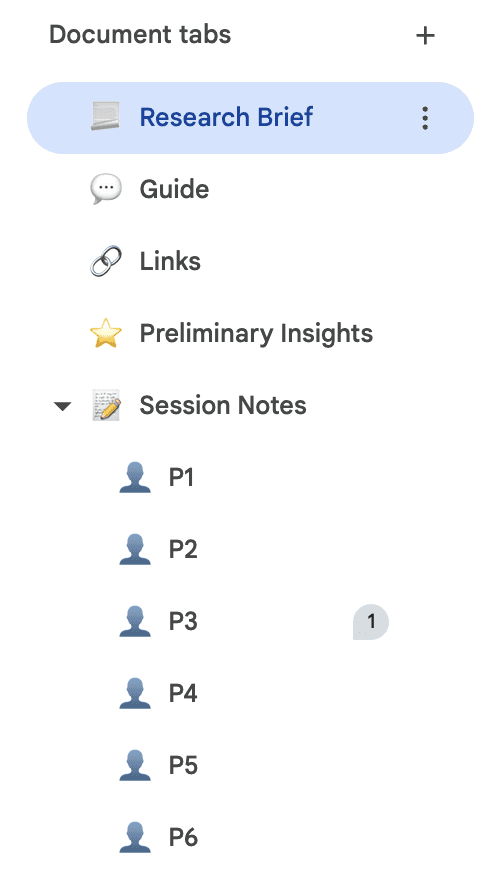
Invited PMs, designers, and engineers to user sessions
Left takeaways and notes after each session in a central document
Shared preliminary insights after the last session with the whole team before I complete a more detailed synthesis and recommendations
Wrapped up projects with a presentation (key insights, session clips, recommendations) and discussion so the team can be up-to-date on what's already happening and next steps
Impact: Research shaped the roadmap for AMP’s app analysis tools, now adopted by 100%+ of consultants to accelerate modernization projects by up to 3x
I ensured research insights translated directly into product requirements, helping app analysis become one of AMP’s most mature toolsets. Consultants can now focus more on executing modernization — the code changes and implementation work — rather than spending time figuring out how to approach the project in the first place.
After the initial discovery, I also did deep dives across other AMP product areas like data modeling, data migration, and testing to build a more holistic perspective and understand cross-product relationships. The goal is to move the team toward a clearer north star: connecting tools into an integrated workflow that could potentially support a more self-serve (rather than consultant-led) platform.