MongoDB Compass Aggregation Wizard
Timeline
4 weeks
Team
Product Manager, Designer, 2 Engineers
TLDR;
Building aggregation pipelines is hard. only Each week, only 22% of users
who visit Compass’
Aggregation Pipeline Builder
proceed to edit pipelines.% of active users who edit their
pipelines has only increased
marginally hovering between
4-5%. How can we simplify building aggregations
on Compass and lower the barrier of entry? Aggregation wizard was launched to help and we want to get users first impressions and understand if it's helpful and the purpose of it vs the rise of AI. i led
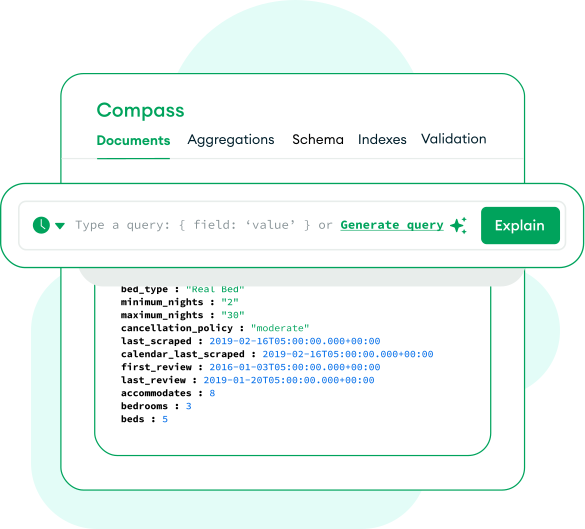
Context: Generative AI……..
Internship…….
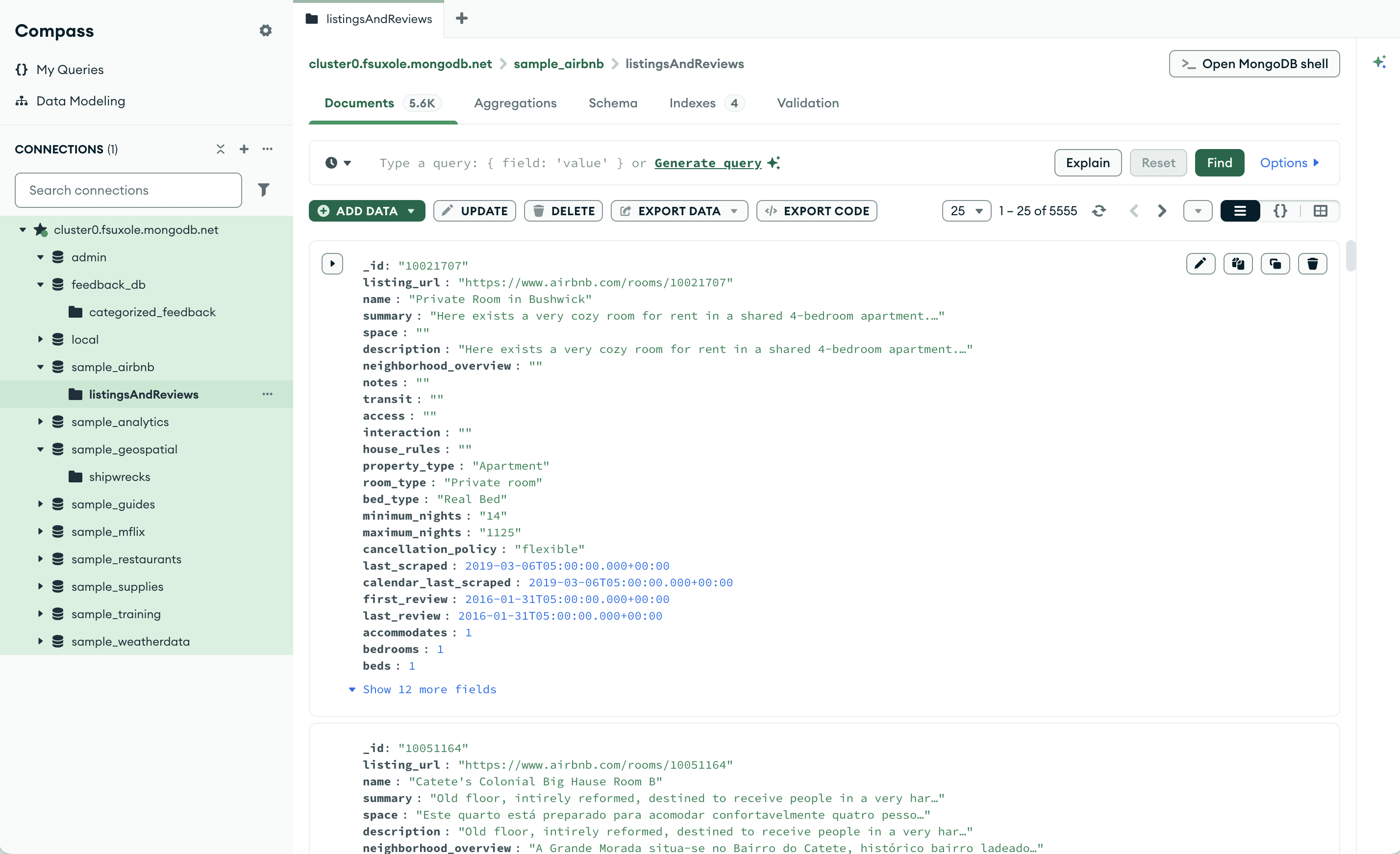
1 week to onboard!!!
ccccc
launched survey!! (n=282)
launched survey with my mentor, i used the data to understand segments and recruit for interview/concept testing. different segments big/med/small, atlas/non-atlas,/low/high amount of queries executed —> intform design concepts and interview guide and recruiment
combined moderated interviews +concept testing (n=12)
mix of AI usage, half view concept a first other half not to prevent bias. 6 users per primary segment to get enough qualitative data - couldn't do more because of tight timeline already doing 12 in one week was a lot!
Concept A:
Concept B
I partnered closely with product, design, and engineering, to make sure insights shaped action in real time
Kept regular contact with stakeholders to consult on research plans, project pivots, and product strategy via 1:1s, team meetings, Slack threads, and document comments
Invited PMs, designers, and interested engineers to sessions
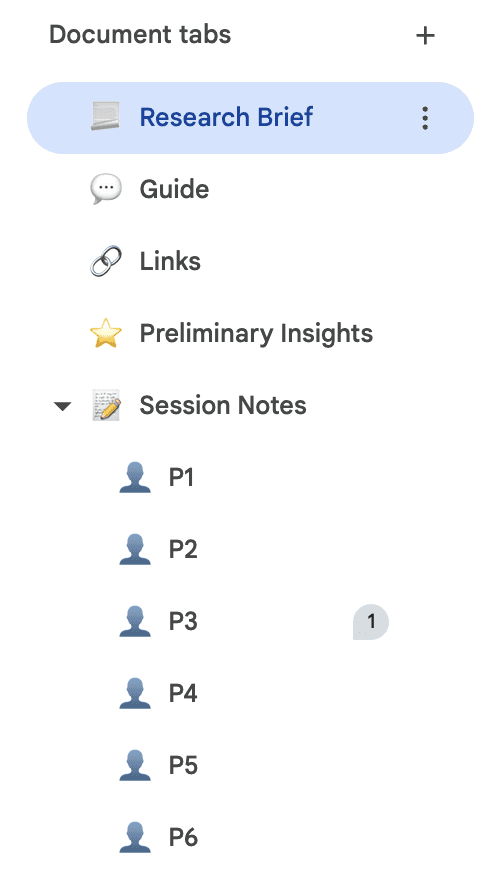
Left takeaways and notes after each session in a central document
Shared preliminary insights after the last session with the whole team before I complete a more detailed synthesis and recommendations
Wrapped up projects with a presentation and discussion so the team can be up-to-date on what's already happening and next steps
Impact: Research shaped the design strategy for the first generative AI feature on Compass to enable faster querying for 1M+ active users and provided foundation for later launched AI initiatives
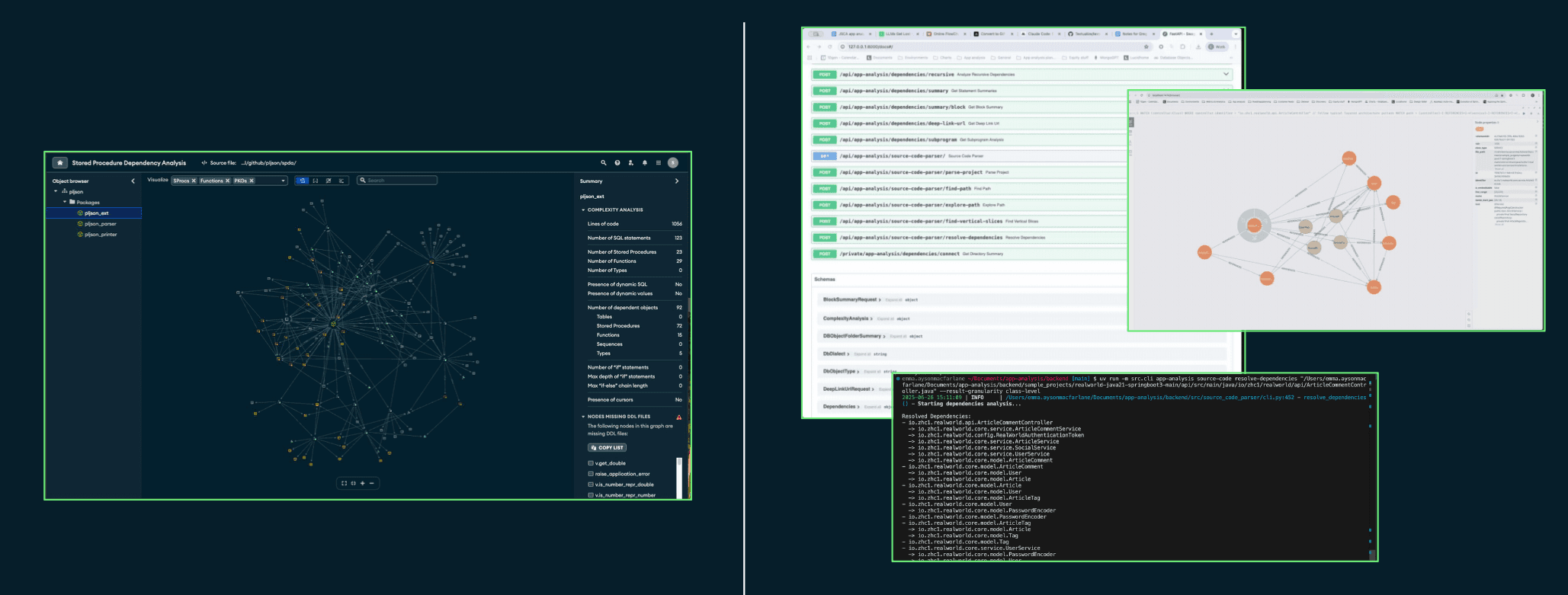
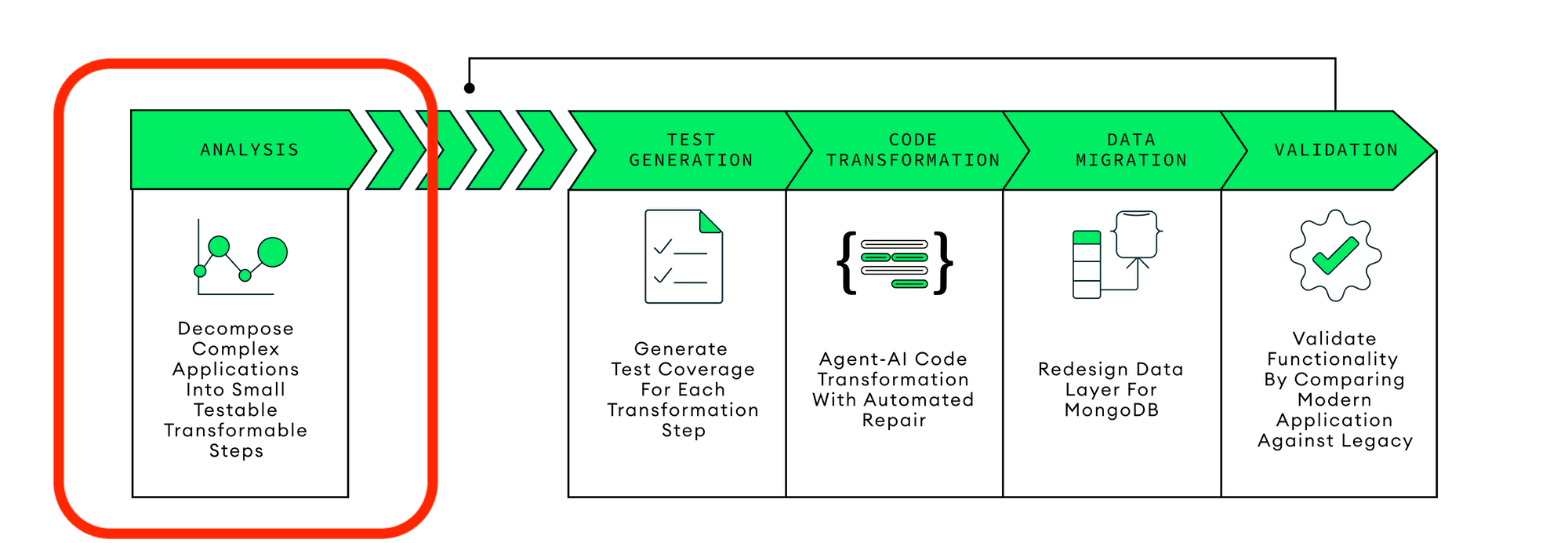
I ensured research insights translated directly into product requirements, helping app analysis become one of AMP’s most mature toolsets. Consultants can now focus more on executing modernization — the code changes and implementation work — rather than spending time figuring out how to approach the project in the first place.
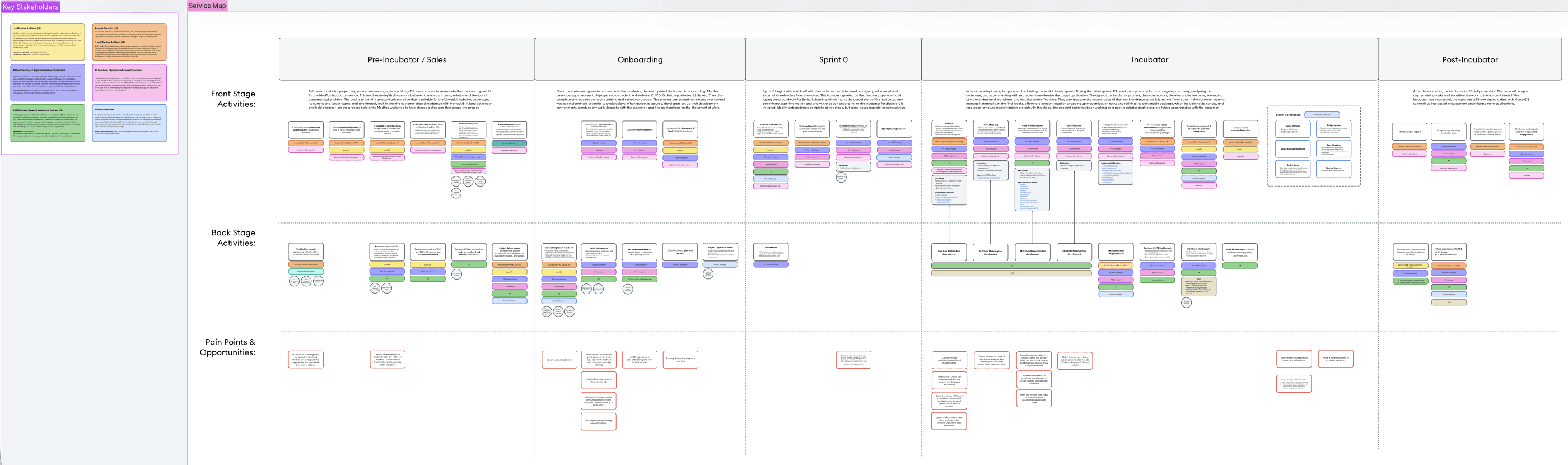
After the initial discovery, I also did deep dives across other AMP product areas like data modeling, data migration, and testing to build a more holistic perspective and understand cross-product relationships. The goal is to move the team toward a clearer north star: connecting tools into a cohesive workflow that could eventually support a more integrated, potentially more self-serve, platform.